

If you asked us what product is non-negotiable for anti-aging (besides SPF of course) in your skincare regimens, we’d say retinoids! You’ve likely heard about them if you’re all about your skincare but may not quite understand the popularity behind them and the differences between retinoids, retinols, and tretinoins. Let’s break it down so you have a better understanding of each and why everyone needs a retinoid in their skincare routine, no matter the skin type or concern!
What is a Retinoid?
A “retinoid” is oftentimes used as an umbrella term for all vitamin A derivatives. You may know vitamin A to be a fat-soluble nutrient that can be found in fish and cod liver oils, playing a critical role in vision, immune function, cellular communication, and overall health benefits. In skincare, it’s known for its generation and function of skin cells, especially through its derivatives called retinoids or retinols. These include both over-the-counter and prescription options that work at different levels of potency, function, and availability.
- Retinol: This is the gentlest form of vitamin A. It can be found in many over-the-counter products as it slowly converts into retinoic acid (the active form) when applied to the skin. It requires two conversion steps in the skin to become retinoic acid (retinol → retinaldehyde → retinoic acid). Milder than retinoic acid, making it more tolerable but slower to show results but great for beginners or those with sensitive skin. Gradually improves skin texture, tone, and acne with less risk of irritation.
- Retinoic Acid: The active and most potent form of vitamin A, found in prescription-strength options like tretinoin. Directly binds to retinoid receptors in the skin to stimulate cell renewal, reduce wrinkles, and clear acne. It does not require conversion in the skin. May cause irritation, especially for first-time users. Only available by prescription (e.g., tretinoin, isotretinoin).
- Tretinoin: A prescription form of retinoic acid that’s especially effective for anti-aging, acne treatment, and collagen production for healthier and more youthful looking skin. It is highly potent, providing quicker and more noticeable results compared to retinol.
Why Use Retinoids?
Retinoids are skincare powerhouses that can transform your routine. So, don’t skip out on them in your routine! The skin has natural Vitamin A receptors (retinoic acid receptors or RARs). Retinoids bind to these receptors, influencing gene expression to regulate cell behavior, including repair and renewal. This cellular-level activity is why retinoids are so effective in addressing a wide range of skin concerns. They boost collagen production, which helps firm the skin, reduce fine lines, and combat signs of aging like fine lines and wrinkles. Retinoids also accelerate cell turnover, shedding old, dull cells and replacing them with fresh ones, leading to smoother texture, an even tone, and improved elasticity. They’re excellent for softening acne scars and keeping pores clear, making them a dual-action solution for preventing and treating breakouts. Whether for anti-aging or acne, retinoids are a must-have for healthier, glowing skin. When starting a retinoid, be patient. Results take time but are absolutely worth it. For smoother, brighter, and healthier skin, incorporating a retinoid into your routine is one of the best investments you can make.
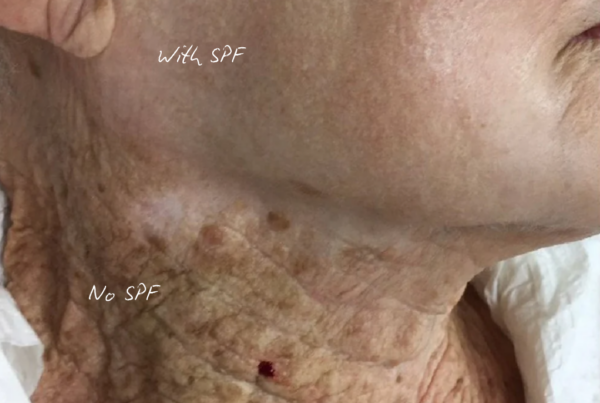
Pro tip: Start slow and always pair with sunscreen if you’re using a retinol during the day—retinoids make your skin more sensitive to UV rays!

Expert Advice From Our Master Aesthetician, Savannah, LME
We went straight to the source and asked our Master Aesthetician, Savannah, to answer some of the most common questions our clients ask about retinoids. Here are her answers!
Q: Can I use retinoids with sensitive skin?
A: “The answer is YES, with the right formula and routine, even sensitive skin can incorporate a retinoid into their routine. Discussing this with someone who truly knows your skin type will assist you in finding the right retinoid.”
Q: How long until I see results when using a retinoid?
A: “This will vary based on the strength and usage. Typically, 6 to 12 weeks is a good window with regular and consistent use. The most important thing when using a retinoid is consistency! This also means finding a product that you can tolerate enough to use regularly.”
Q: Will retinoids make my skin peel?
A: “With retinoids, it will depend on the strength and formula of the product. Retinoids are increasing cell turnover, therefore there’s always a chance that the skin is going to take time to adjust and in turn, will slightly flake. Some formulas are designed to lessen this and make the product more tolerable.”
Q: What is a good retinol alternative?
A: “There are certain ingredients that will help strengthen the skin and encourage healthy skin similar to retinol such as Growth Factors and Bakuchiol. Bakuchiol is a natural compound derived from the babchi plant. Growth Factors are proteins that regulate cell growth. Both of these are going to encourage healthy skin and are packed with antioxidants to help assist in the natural cell turnover process. This will not work as quick as a retinol, as it’s not actually exfoliating the skin, but it is a less aggressive alternative for those who can’t use/tolerate retinoids. Bakuchiol is the most common alternative for pregnancy/breastfeeding clients! These both can also be combined with your retinoid to help increase results and effectiveness.”
Q: Will retinol thin my skin?
A: “Nope! This is a very common misconception. Although retinoids are exfoliating, they are only encouraging the shedding of the very outermost layer called the stratum corneum. This layer naturally sheds overtime. Applying a retinol simply increases the speed that this layer is shedding. With regular usage of a retinol and proper cell turnover, you are actually encouraging a thicker, stronger dermis that is supported by strong and healthy collagen.”
Q: What skincare products can I not use with my retinol?
A: “When using retinol products you do have to remember that it is an exfoliant. This means if you have a more sensitive skin type, combining other exfoliants on the same day as your retinol product may increase sensitivity and irritation. I usually encourage my clients to alternate their exfoliating products in order to avoid increased sensitivity– especially with acne-fighting exfoliates such as benzoyl peroxide, and salicylic that already can cause sensitivity on their own. Some retinoids, such as the AlphaRet line by SkinBetter Science, have included the acne fighting ingredients in their patented retinol formula. This helps get rid of the risk of combining the incorrect product as it’s designed to work together. When you start mixing and layering products is when you have to really be cautious of what else you’re applying. Learning your skin and what you can tolerate will help you and your aesthetic provider find your perfect routine.”
Q: Do I have to stop my retinol in the summer?
A: “With *regular SPF application* and mindfulness, no! It is important to know that retinol will cause photosensitivity, which means you’re going to be more prone to burning in the sun. To safely use the product, I suggest applying your retinol in the PM and being mindful of your daily sun exposure. If you are heading on a tropical summer vacation where you’ll have increased sun exposure, keep in mind the UV index! It’s always better to be safe than sorry and pause your retinol usage during sunny vacays.”
Products You Should Try:
Here are some of our faves that we carry that are packed with retinoids or alternatives (aka Vitamin A) to get you glowing:
- AlphaRets: The AlphaRet line by SkinBetter Science includes Overnight Cream/Intense Overnight Cream, Peel Pads, and Clearing Seru, which are all packed with retinoids and Vitamin A. They help with everything from fine lines to breakouts to texture.
- Thistle Glow Cream: A great option for those who want all the benefits of Vitamin A without the irritation. It’s super hydrating and brightening too!
- Enriched Retinol Eye Cream: Don’t forget your eye area! This eye cream is perfect for reducing puffiness, dark circles, and fine lines around the eyes.
- Circadia Nighttime Repair Cream: This rich night cream helps to repair and restore your skin overnight, using a combo of retinoids and antioxidants to fight the signs of aging.
Ready to Incorporate Retinoids Into Your Routine?
Whether you’re just getting into the skincare game or looking to polish your routine, retinoids are definitely worth the hype. If you’re ready to level up your skincare regimens, we have your backs! Schedule a consultation with an Aesthetic Nurse Practitioner or a Skin Analysis with a Master Esthetician/Esthetician so that we can help determine the best skincare routine for you.